Translated with AI from the Russian original.

Japanese company Proud & Partners has started training truck drivers from Uzbekistan to work in Japan. Project participants are guaranteed a salary of at least $2,000 per month. The initiative is designed for the long term - in the future it is planned to train and employ up to 5,000 specialists.
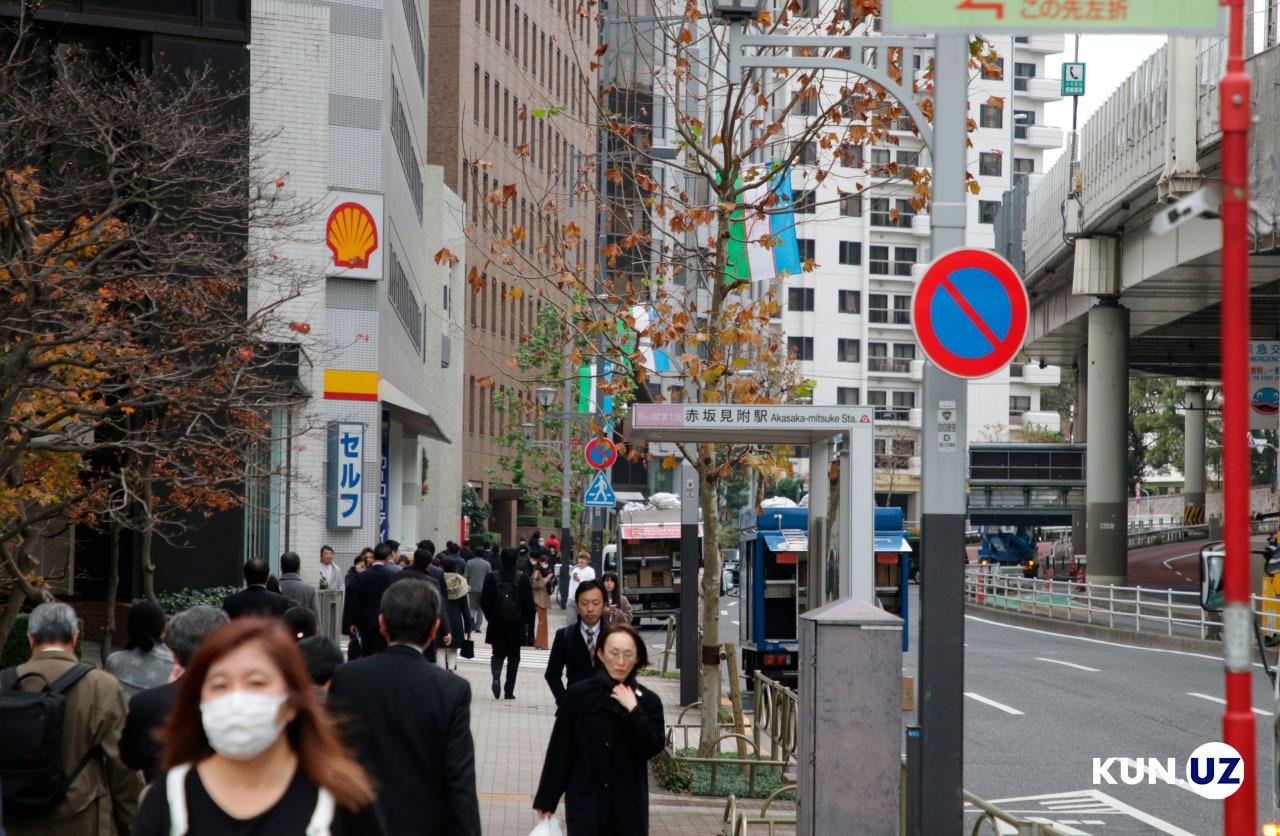
President of Proud & Partners Ryuji Suzuki said that the company is engaged in the systematic and legal attraction of foreign labor into the Japanese economy. According to him, about 5,000 foreign workers have already been brought to the Japanese labor market. The main emphasis is on training candidates in their countries of origin through specialized language and professional centers, followed by employment in specific jobs.

The project is being implemented against the backdrop of an acute shortage of personnel in Japan caused by the demographic crisis. The greatest shortage of personnel is observed in logistics and construction. At the first stage, the program is focused on truck drivers, and a mandatory minimum income level has been established for citizens of Uzbekistan. The company expects that this approach will simultaneously close the personnel shortage and ensure stable and legal employment for foreign specialists.
Now on the front page

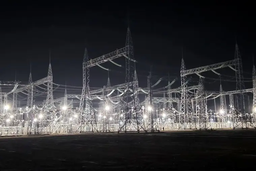
Electricity generation in Uzbekistan increased by 11.6% over the year

Electricity generation in Uzbekistan increased by 11.6% over the year

Thermal and hydroelectric power plants increased energy production.

In Uzbekistan, every scientist will be assigned a lifelong digital identifier

In Uzbekistan, every scientist will be assigned a lifelong digital identifier

Science ID will unite data on researchers, scientific organizations, and the results of their work

Hacker group Rezet attacked companies in Uzbekistan and other CIS countries

Hacker group Rezet attacked companies in Uzbekistan and other CIS countries

Cyber spies use AI to automate phishing mailouts. In October, one of the campaigns reached more than 4,800 recipients.

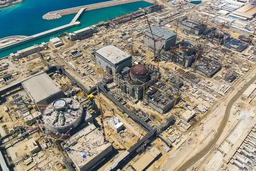
Uzbekistan studied the construction of the Turkish Akkuyu NPP and agreed on localizing equipment production

Uzbekistan studied the construction of the Turkish Akkuyu NPP and agreed on localizing equipment production

Tashkent expects to attract Turkish companies to establish manufacturing facilities for its own nuclear industry.

Uzbekistan offered Canada joint AI projects and training for 5 million people

Uzbekistan offered Canada joint AI projects and training for 5 million people

The parties also discussed attracting Canadian IT companies, venture capital funds, and startup accelerators.

Uzbekistan tightens e-commerce rules: changes to take effect on December 12

Uzbekistan tightens e-commerce rules: changes to take effect on December 12

New requirements will affect foreign marketplaces, sales taxation, and the operations of trading platform operators.

Uzbekistan and Oman to build a power transformer plant with a capacity of 5,000 MVA per year

Uzbekistan and Oman to build a power transformer plant with a capacity of 5,000 MVA per year

The enterprise will produce equipment with voltages up to 220 kV and focus on exports as well

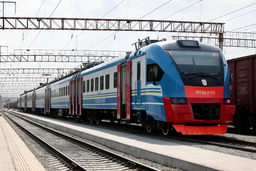
Direct passenger train to be launched between Tashkent and Astrakhan

Direct passenger train to be launched between Tashkent and Astrakhan

Trains will run once a week, with the first service scheduled for December 17

The share of Chinese cars in Uzbekistan rose to 18.4%, sales increased by almost 50%

The share of Chinese cars in Uzbekistan rose to 18.4%, sales increased by almost 50%

At the same time, the overall new car market shrank by 6.5%, while Chevrolet retained its lead with a 74% share

Tashkent entered the top three Asian capitals in terms of wired internet quality improvement

Tashkent entered the top three Asian capitals in terms of wired internet quality improvement

Over the year, the user experience metric in Uzbekistan grew by 16%, trailing only Malaysia and Bangladesh

Uzbekistan permits trading in foreign stocks, bonds, and ETFs

Uzbekistan permits trading in foreign stocks, bonds, and ETFs

New rules allow only qualified investors to conduct transactions and set restrictions on asset purchases