Until recently, the automotive market in Uzbekistan was considered a seller's territory. Car shortages, queues, limited choices, and high import barriers allowed the largest local car manufacturer to effectively set the rules of the game. But now the situation is changing – and in several directions at once.
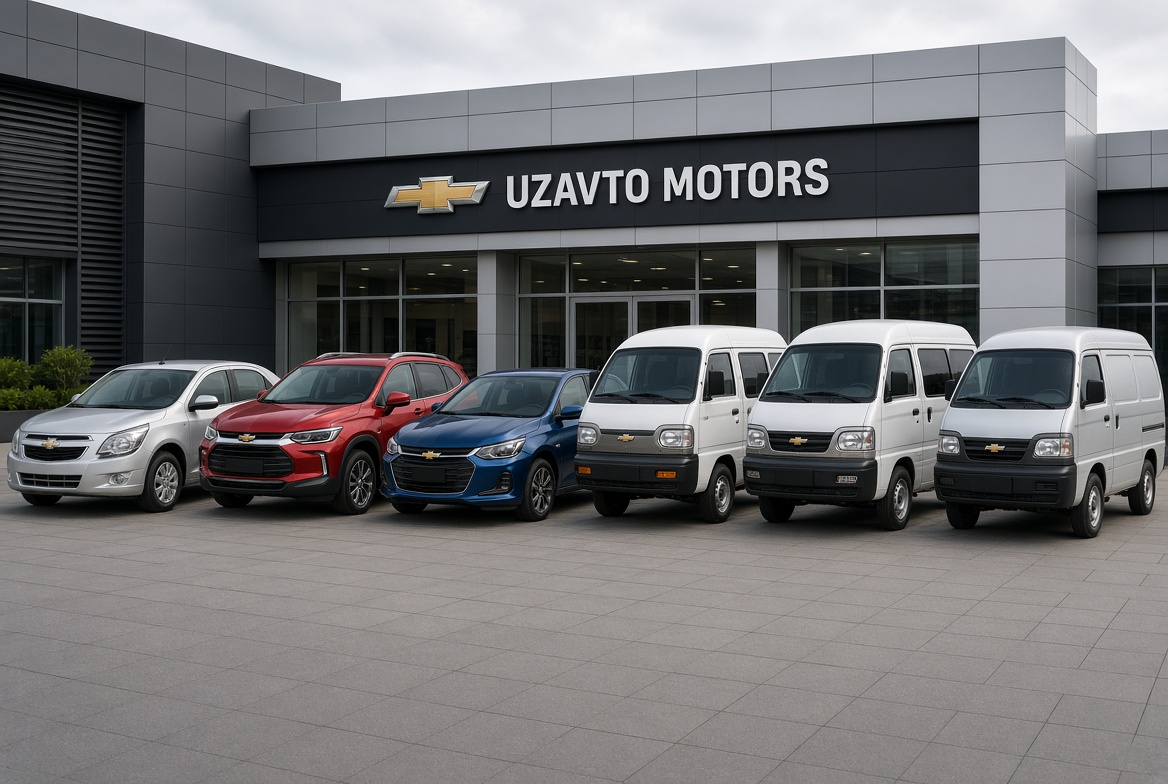
UzAuto Motors is already offering installment plans for Tracker, Onix, Damas, and the most popular Cobalt. For Cobalt, buyers can pay 50% of the cost upfront and the remaining amount over 11 months without overpayment. At the same time, the company directly reduced prices: Cobalt became 15 million soums cheaper, and Captiva – 45 million.
The main reason is that the market is gradually getting rid of shortages. If in 2017 about 135 thousand cars were produced in Uzbekistan, in 2025 production reached almost 458 thousand. Over eight years, production grew by approximately 3.5 times. Motorization also approached saturation: currently, there are about 61 cars per 100 households.
At the same time, a car is no longer perceived as a way to save or multiply money. Previously, a new car could immediately increase in price on the secondary market, and after a few years, it was often sold for almost the price of a new car. Now market logic is returning: used cars are getting cheaper, with an average price reduction of about 30% over the past three years.
Additional pressure is created by the rapid growth in the popularity of electric vehicles. In the first seven months of 2026, almost 47 thousand electric vehicles worth $527 million were imported into Uzbekistan – more than 61% more than a year earlier. The main factor is the expansion of Chinese brands, which offer more and more models in different price categories.
Competition is already affecting sales: in the first half of 2026, BYD increased sales by 75%, Haval – by 19%, Chery – by approximately 4.5%, Kia – by 3.5%.
Finally, cars have become significantly more affordable relative to household incomes. Since 2020, the price of Cobalt has increased by approximately 35%, while accumulated inflation exceeded 80%, and the average salary has almost tripled. If previously it took about 45 average monthly salaries to buy a car, now it takes approximately 22.