A “green wave” system connecting 16 traffic light facilities into a single network has been launched on a seven-kilometer stretch of Kukcha Darvoza Street in Tashkent. According to preliminary measurements, signal synchronization has reduced average travel time by 40%, saving drivers about eight minutes per trip. The traffic lights switch sequentially, allowing drivers who maintain the speed limit to pass through several intersections in a row without stopping.
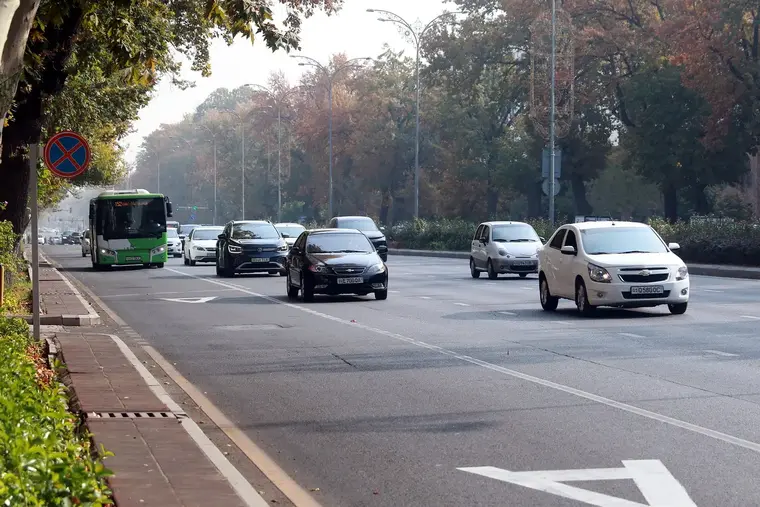
The system operates in two modes depending on the time of day. From 07:00 to 17:00, traffic priority is set towards the city center, and from 17:00 to midnight, it is directed away from the central part of Tashkent. At the same time, the traffic lights continue to account for pedestrians and vehicles from cross streets, so stops at red lights cannot be completely eliminated.
The introduction of the “green wave” is intended to make traffic flow smoother, reduce the number of braking and acceleration events, cut fuel consumption, and decrease harmful emissions. Drivers are advised to observe the posted speed limit: speeding will not help reach the next intersection faster and may lead to stopping at a red signal. The stated results were obtained during measurements taken in off-peak hours.