Translated with AI from the Russian original.
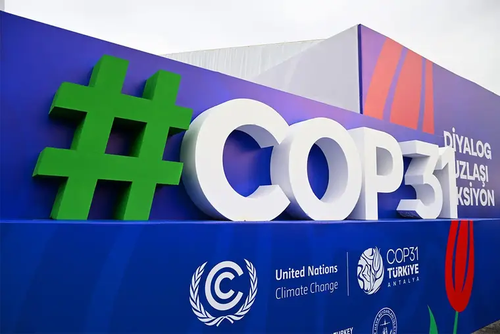
At the COP31 climate conference held in Antalya, an international initiative on integrating artificial intelligence, digital twins, and the Internet of Things into urban infrastructure was presented on November 16. It was proposed to use these technologies to reduce greenhouse gas emissions, improve energy efficiency, and adapt cities to climate change. The initiative is of interest to Uzbekistan, where the expansion of urban infrastructure is accompanied by growing electricity consumption and increased strain on transport and utility systems.
The discussion took place as part of a high-level dialogue organized by the COP31 Presidency jointly with the International Telecommunication Union, UN-Habitat, and the Secretariat of the UN Framework Convention on Climate Change. One of the key focus areas was digital twins—virtual models of real buildings, utility networks, and other facilities. Combined with AI and IoT sensors, they make it possible to analyze infrastructure status, simulate various scenarios, and optimize urban management.
For example, artificial intelligence will be able to analyze traffic congestion and adjust the operation of traffic lights and public transit. Digital models of power grids will help detect electricity losses, while sensors will identify water leaks and monitor the condition of utility networks. COP31 participants also issued a global call to action for developing environmentally sustainable smart cities. It aims to unite governments, municipalities, tech companies, and academic institutions to scale digital solutions and assess their real environmental impact.