Translated with AI from the Russian original.

Passenger car imports to Uzbekistan for the first eight months of 2026 reached $1.103 billion, an increase of 72.6% year-on-year. Electric vehicles were the main driver: their deliveries in monetary terms grew by 71.5% — from $358.3 million to $614.4 million. In physical terms, imports increased by 89.6% — from 28,920 to 54,826 vehicles.

The hybrid segment grew even more dynamically. The value of imported cars with gasoline-electric powertrains jumped 5.2 times, from $46.1 million to $240 million. The number of such vehicles increased 5.5 times — from 2,023 to 11,130 units. Thus, demand for vehicles with an electric component significantly accelerated.
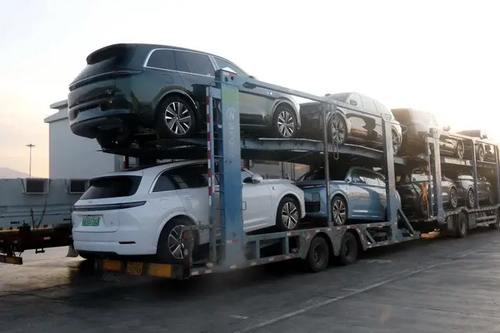
Gasoline cars showed much more modest growth: their imports increased by 6.1% to $246.9 million, and the number of cars grew by 17.1%, to 13,070 units. The diesel segment, on the contrary, sharply declined: the value of deliveries decreased by 29.1%, to $1.5 million, and the number of cars — by 78%, to just 20 vehicles.


Now on the front page

Eco-friendly building materials being developed in Uzbekistan

Eco-friendly building materials being developed in Uzbekistan

Priority areas include the creation of building materials with low energy and resource consumption

Uzbekistan and Cambridge discussed teacher training

Uzbekistan and Cambridge discussed teacher training

Representatives of UNICEF also took part in the negotiations, and the parties discussed the introduction of modern educational methodologies

Using AI to create smart cities in Uzbekistan proposed at COP31

Using AI to create smart cities in Uzbekistan proposed at COP31

Digital twins and IoT sensors will help reduce energy consumption, emissions, and water losses

South Korean Embassy awards winners of video competition on AI and climate in Uzbekistan

South Korean Embassy awards winners of video competition on AI and climate in Uzbekistan

Young residents of the country aged 16 to 35 participated in the competition, with the main prizes being Galaxy Tab tablets

Uzbekistan and Afghanistan will increase rail freight transportation

Uzbekistan and Afghanistan will increase rail freight transportation

The parties agreed to develop infrastructure, expand the Hairatan – Mazar-i-Sharif route, and train Afghan specialists

2.1 million attempts to visit phishing websites blocked in Uzbekistan

2.1 million attempts to visit phishing websites blocked in Uzbekistan

The number of attempts to access fraudulent resources was more than three times higher than at the beginning of 2025

Electricity generation in Uzbekistan increased by 11.6% over the year

Electricity generation in Uzbekistan increased by 11.6% over the year

Thermal and hydroelectric power plants increased energy production.

In Uzbekistan, every scientist will be assigned a lifelong digital identifier

In Uzbekistan, every scientist will be assigned a lifelong digital identifier

Science ID will unite data on researchers, scientific organizations, and the results of their work

Hacker group Rezet attacked companies in Uzbekistan and other CIS countries

Hacker group Rezet attacked companies in Uzbekistan and other CIS countries

Cyber spies use AI to automate phishing mailouts. In October, one of the campaigns reached more than 4,800 recipients.

Uzbekistan studied the construction of the Turkish Akkuyu NPP and agreed on localizing equipment production

Uzbekistan studied the construction of the Turkish Akkuyu NPP and agreed on localizing equipment production

Tashkent expects to attract Turkish companies to establish manufacturing facilities for its own nuclear industry.

Uzbekistan offered Canada joint AI projects and training for 5 million people

Uzbekistan offered Canada joint AI projects and training for 5 million people

The parties also discussed attracting Canadian IT companies, venture capital funds, and startup accelerators.

Uzbekistan tightens e-commerce rules: changes to take effect on December 12

Uzbekistan tightens e-commerce rules: changes to take effect on December 12

New requirements will affect foreign marketplaces, sales taxation, and the operations of trading platform operators.