The Tashkent Kengash of People's Deputies approved on October 8 the concept of purchasing 14 new metro trains, each with five cars. The total delivery volume will be 70 cars, and the preliminary project cost is estimated at $168.6–356.2 million. The final amount will depend on the chosen manufacturer and financing terms. The supplier has not yet been determined. The need to update the fleet is explained by the wear and tear of existing trains, some of which have been in operation for several decades, as well as by the increase in passenger traffic.
New trains are expected to replace outdated cars, increase line capacity, and reduce headways between trains. Each train will consist of five cars: existing station platforms are designed for approximately 100 meters, so switching to six-car trains would require costly infrastructure reconstruction. Technical requirements include a 1520 mm gauge, power from a contact rail with 825 V voltage, and a maximum speed of 90 km/h.
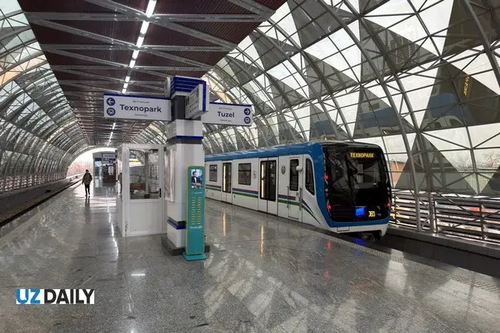
Compared to the 81-717/714 series cars, known as the 'Numbered' type, the new trains should feature more powerful asynchronous motors, regenerative braking, modern air conditioning, and updated lighting and passenger information systems. Faster acceleration and braking, low floors for the convenience of passengers with limited mobility, and a more spacious interior are also planned. German Siemens stated that its solutions do not meet the technical requirements of the Tashkent metro and did not provide a commercial offer.