Sand and dust storms are becoming one of the most serious environmental threats to Uzbekistan and all of Central Asia, affecting people's health, agriculture, and the economies of the regions. A new ICARDA analytical report supported by FAO is dedicated to this problem, in which the scale of the consequences and possible ways to mitigate them are assessed using atmospheric modeling.
The study shows that targeted greening and restoration of degraded lands can radically reduce the level of dust pollution. In certain periods, the concentration of dust in the air can decrease by up to 80% if measures are taken in key dust formation zones. Otherwise, the damage remains enormous: Karakalpakstan alone loses more than $44 million annually, and potential losses without effective action could reach $840 million per year.
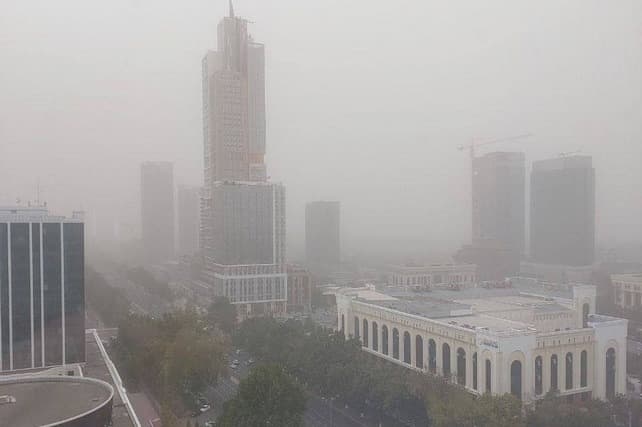
At the same time, experts emphasize the transboundary nature of the problem. Up to 70% of the dust recorded in the atmosphere of Uzbekistan is formed outside the country, which makes national measures insufficient without regional coordination. The authors of the report call for the development of joint monitoring systems, early warning, and coordinated environmental policies, noting that a combination of scientific approach, greening, and international partnership is the key to forming sustainable landscapes in Central Asia.