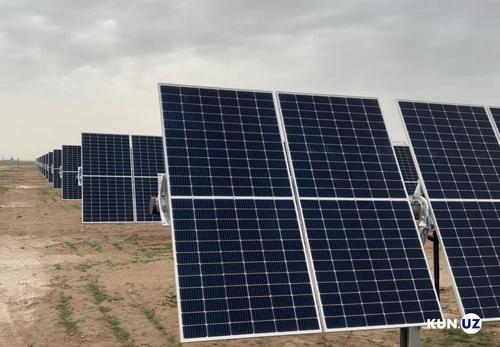
In Uzbekistan, the construction of small solar power plants with a capacity of 300 kW each is planned in 903 "difficult" neighborhoods. This was announced at a meeting chaired by President Shavkat Mirziyoyev, dedicated to the tasks of reducing poverty and ensuring employment in 2026. One of the key priorities is stable power supply to such territories as a basis for economic development.
The stations will be transferred to the neighborhoods as a grant asset. Through the generated "green" energy, each neighborhood will be able to receive additional income in the amount of 400–500 million soums. These funds are planned to be directed towards energy-efficient home repairs, reducing electricity costs, and implementing other "green" initiatives aimed at improving the quality of life of the population.
In parallel, the authorities intend to update the appearance of the neighborhoods. Specialists from France, Great Britain, Spain, and Turkey, as well as students from architectural universities in Uzbekistan, are being involved in the development of general plans. A competition will be announced for them, and the best projects will receive 100 million soums each. This approach should simultaneously solve the problems of territorial development, training of young architects, and the formation of sustainable sources of income in "difficult" areas.