The Tashkent Regional Council of People's Deputies has approved the concept of a large-scale transport project that will connect Nurafshan with the Bektemir district of the capital. The decision was made on March 24, the initiative is being implemented by presidential decree and includes the modernization of 23 kilometers of road, of which almost 20 km will undergo major reconstruction with expansion to 6–10 lanes.
The main innovation will be a bus rapid transit (BRT) system with dedicated lanes physically separated from the general traffic flow. Nine enclosed stations with climate control will be built, and "smart" intersections, video surveillance, and automated traffic management will be installed. The project also includes two transport interchanges, five bridges, and nine underpasses with ramps and elevators.
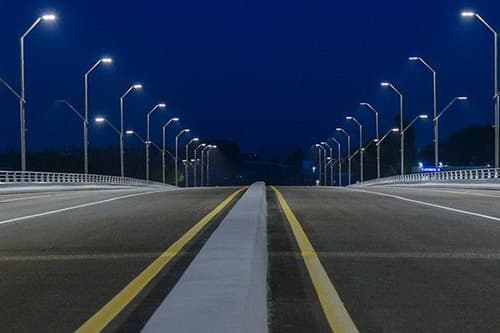
The implementation of BRT will reduce the journey between Tashkent and Nurafshan from 50–60 to 30 minutes, increasing the average speed to 60 km/h. The system's capacity will exceed 50,000 passengers per day, and the region with a population of over 150,000 people will benefit from improved mobility, fewer traffic jams and accidents, creating the prerequisites for economic and social development.